
Exclusive pumping can be an incredible way to provide breast milk for your baby while creating a feeding routine that works for your family. Whether you're exclusively pumping by choice, because of latch challenges, a premature birth, returning to work, or another personal circumstance, it's important to know that there is no one "right" way to feed your baby.
I'm Sydney, RN, BScN, a labor/delivery and postpartum nurse. Throughout my career, I've supported countless new parents as they navigate feeding their babies, and one thing I've learned is that every feeding journey is unique and looks a little bit different.
While exclusive pumping can be incredibly rewarding, it also comes with unique challenges that many parents don't anticipate. Beyond the pumping itself, there are schedules to manage, milk to store, bottles to prepare, and an ongoing cleaning routine that quickly becomes part of everyday life.
If you're considering exclusive pumping or are just beginning your journey, here's what you need to know.
What Is Exclusive Pumping?
Exclusive pumping means expressing breast milk using a breast pump and feeding that milk to your baby through a bottle rather than directly nursing at the breast.
Some parents exclusively pump from birth, while others transition to pumping after encountering feeding challenges. There is no "right" way to provide breast milk to your baby, the goal is finding a feeding method that works for both you and your family.
The First Few Weeks: Establishing Your Milk Supply
The newborn period is often the most demanding stage of exclusive pumping.
During the first several weeks, milk production is heavily influenced by milk removal. Just as a nursing newborn would feed frequently, exclusively pumping parents typically need to pump frequently to help establish and maintain supply.
Many lactation experts recommend:
Pumping 8–12 times per day during the early weeks
Avoiding long stretches between pumping sessions, especially initially
Using a double electric breast pump when possible (a plug in NOT a wireless breastpump as your primary pump)
Pumping for approximately 15–30 minutes per session, depending on milk flow and individual circumstances
Every parent's situation is different, and working with a lactation consultant can help create a personalized pumping plan.
Building a Sustainable Pumping Routine
One of the biggest misconceptions about exclusive pumping is that it becomes easier once your milk supply is established.
While pumping sessions may become more predictable over time, exclusive pumping often involves much more than simply expressing milk.
A typical pumping session may include:
Setting up the pump
Pumping
Storing milk
Feeding your baby
Washing bottles
Cleaning pump parts
Sanitizing accessories
Drying everything before the next session
This process repeats multiple times throughout the day and night.
Creating a sustainable routine is often what determines whether exclusive pumping feels manageable long term.
Some strategies that can help include:
Creating a dedicated pumping station
Keeping extra pump parts on hand
Using a hands-free pumping bra
Preparing bottles ahead of time when possible
Staying hydrated and well nourished
Asking for support from partners and family members
Common Exclusive Pumping Challenges
Low Milk Supply Concerns
Many pumping parents worry about not producing enough milk.
It's important to remember that pumping output doesn't always reflect total milk-making ability. Factors such as flange fit, pump effectiveness, stress, hydration, and pumping frequency can all impact output.
If you're concerned about supply, reach out to a lactation consultant for personalized support.
Pumping Fatigue
Pumping multiple times every day can be physically and emotionally exhausting.
Many parents experience what is commonly called "pumping burnout" , the feeling of constantly being attached to a schedule while balancing newborn care and daily life.
Giving yourself flexibility, celebrating milestones, and focusing on what works for your family can help reduce pressure.
Managing the Cleaning Workload
This is one challenge that often catches parents by surprise.
When you're exclusively pumping, you're not only washing bottles, you are also cleaning pump parts after every pumping session.
That means regularly cleaning:
Flanges
Collection cups
Bottles
Nipples
Valves
Duckbill valves
Membranes
Inserts
Milk collection containers
Storage accessories
For many parents, the cleaning process can feel almost as time-consuming as the pumping itself.
The Most Overlooked Part of Exclusive Pumping: Cleaning Pump Parts and Bottles
Throughout my work as a labor and postpartum nurse, I've seen how much time exclusively pumping parents spend cleaning feeding equipment every single day.
Breast milk contains fats and proteins that can leave residue behind if bottles and pump components are not cleaned thoroughly. Small accessories (especially silicone components like duckbill valves, membranes, and inserts) can be particularly challenging because milk residue can collect in tiny crevices.
Parents may also notice:
Cloudy bottles / pump parts over time
Water spots from hard water
Limescale buildup
Residual milk film
Moisture remaining after washing
Consistent cleaning, sanitizing, and complete drying are important parts of maintaining feeding hygiene and keeping equipment ready for the next feeding session.
Making Cleaning More Manageable
One of the ways many exclusively pumping families simplify their routine is by creating a dedicated system for cleaning and sanitizing feeding equipment.
One example is the Papablic SafeguardPlus™ bottle washer Papablic SafeguardPlus bottle washer, which was designed with these daily realities in mind.
For parents who are washing multiple bottles and pump parts every day, having a system that can wash, sanitize, dry and store equipment in a single workflow can help make the process more manageable and consistent.
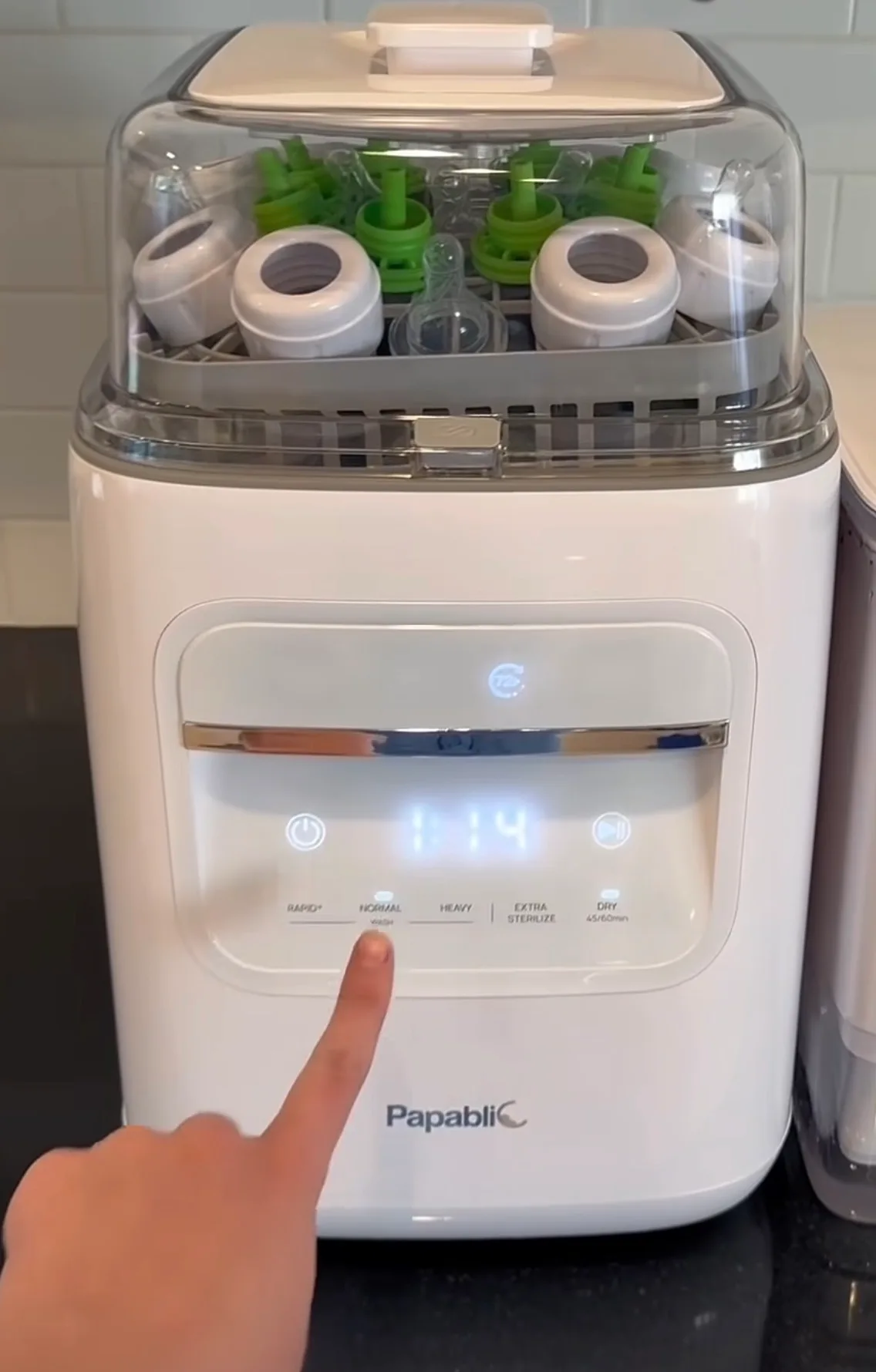
For exclusively pumping families, the most helpful solutions are those that reduce daily cleaning workload while maintaining a high standard of hygiene. Key features to look for include:
Built-in water filter that helps reduce minerals buildup, water spots, and limescale
A large-capacity design that accommodates a full day’s bottles and pump parts
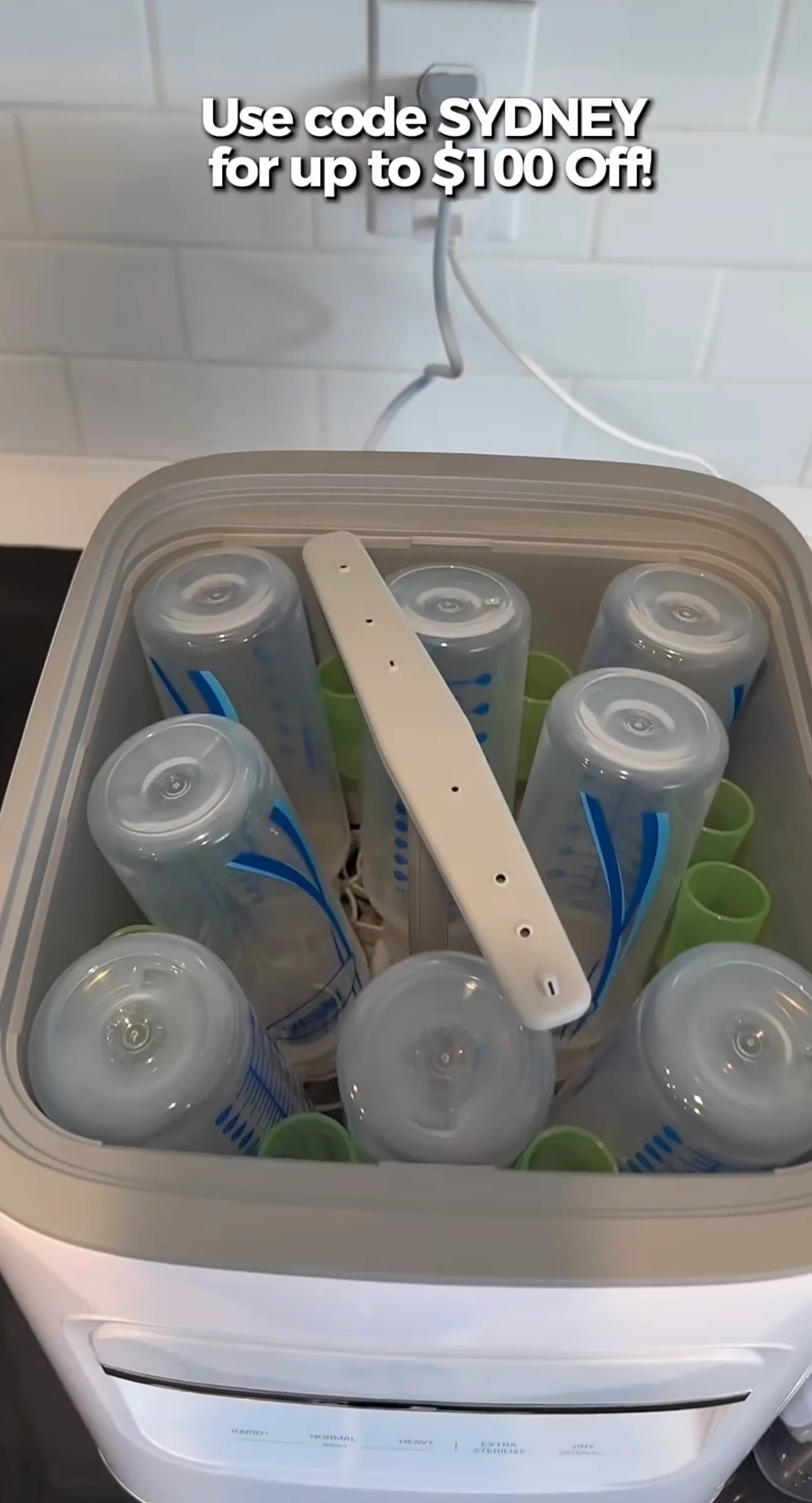
Comprehensive cleaning coverage for hard-to-reach areas and small accessories
Rapid wash cycles that keep up with frequent feeding and pumping schedules
An all-in-one system that washes, sanitizes, dries, and stores items in a single routine
While no product eliminates the work of exclusive pumping, having an effective cleaning system can help address one of the most time-consuming parts of the journey.
Protecting Your Mental Health While Exclusively Pumping
One thing I always remind parents is that your feeding journey should support both your baby's health and your own wellbeing.
Exclusive pumping requires significant time, energy, and dedication. It's okay if your goals change over time. It's okay if you supplement. It's okay if you decide exclusive pumping is no longer serving your family.
Your worth as a parent is not measured in ounces.
Your baby benefits most from having a healthy, supported caregiver.
Final Thoughts
Exclusive pumping can be a wonderful way to provide breast milk while creating a feeding routine that works for your family's unique needs. It offers flexibility and can be an excellent solution for many parents, but it's important to go into the journey with realistic expectations.
Beyond the pumping itself, one of the biggest factors in long-term success is creating systems that make daily tasks—especially cleaning, sanitizing, and drying feeding equipment—more manageable.
Remember: feeding your baby isn't about perfection. It's about finding a sustainable approach that supports both you and your little one.
- Nurse Sydney
This article is for informational purposes only and does not constitute medical advice. Always consult your healthcare provider with any questions regarding your health or pregnancy.